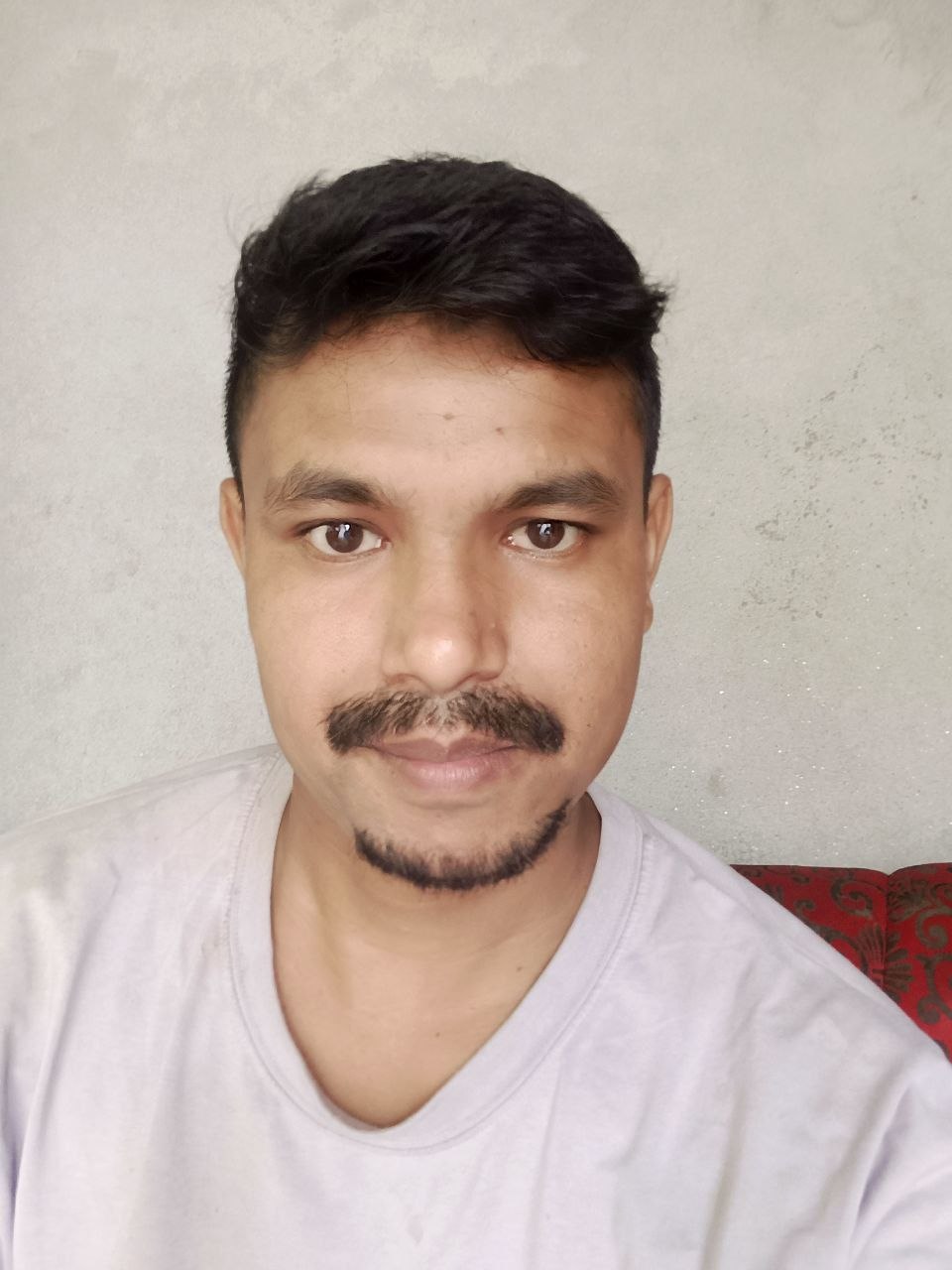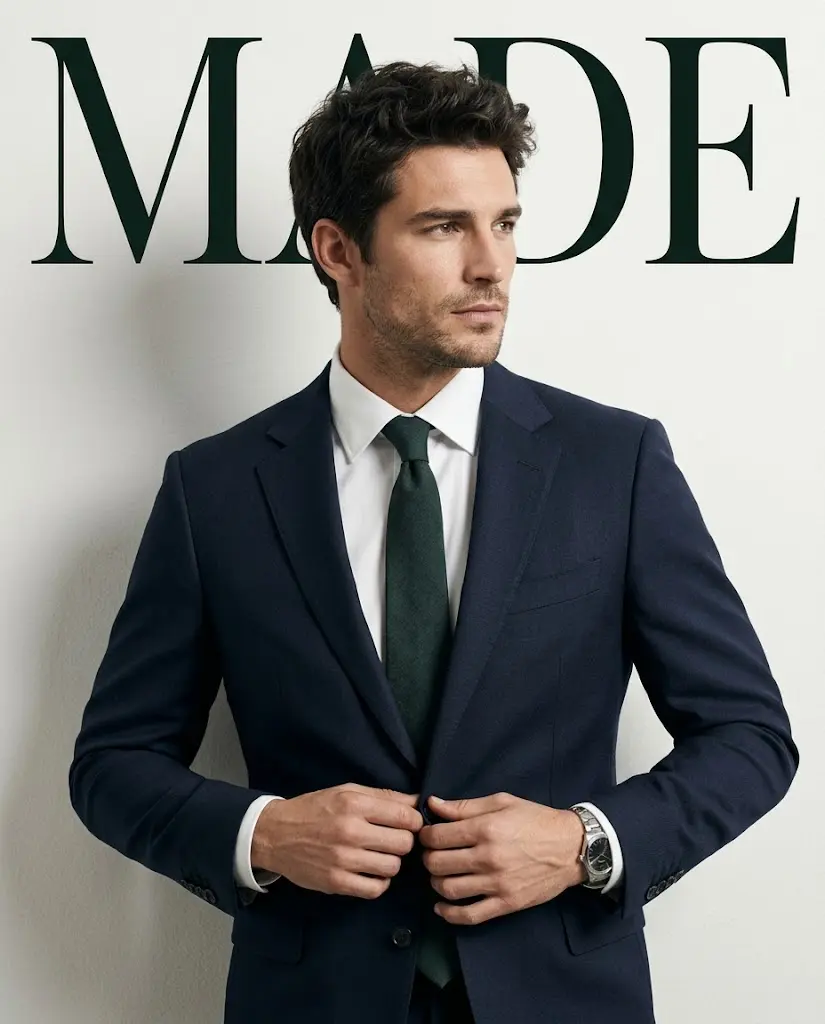
Create a hyper-realistic, high-end fashion editorial portrait of a male model, styled like a premium international fashion magazine cover. Use the uploaded photograph as the strict and exclusive identity reference. Reproduce the same person with maximum identity accuracy, preserving his original facial structure, proportions, skin tone, hairstyle, and natural features.
1. Strict Face Identity Preservation
Maintain the subject’s exact identity without alteration. Preserve:
- Original jawline shape, definition, and facial contours.
- Natural skin tone, realistic pores, and authentic skin texture.
- Exact eye shape, spacing, gaze, and eyebrow structure.
- Original nose proportions, lips, and facial symmetry.
- Original hairstyle, including natural volume, soft tousled strands, and realistic hair texture.
Identity lock: Do not beautify, reshape, retouch, age, de-age, stylize, or artificially enhance the face. Avoid plastic skin, excessive smoothing, and any identity drift. The final portrait must look unmistakably like the person in the uploaded image.
2. Facial Expression and Gaze
Give the subject a calm, confident, contemplative expression with subtle intensity. Keep the lips naturally neutral and the facial muscles relaxed. His eyes should look off-camera toward the right, creating a sophisticated, thoughtful editorial mood.
3. Pose and Body Language
Position the subject standing upright very close to a clean studio wall.
- Body angled slightly to the left by approximately 10–15 degrees.
- Head turned approximately 40–45 degrees to the right, creating a clean three-quarter profile.
- Chin subtly lifted to emphasize the natural jawline.
- Shoulders relaxed, with a controlled and elegant posture.
Hand placement is essential: Both hands should be positioned at the lower front of the jacket. The fingers gently hold and adjust the middle button area, as if the subject is naturally fixing his jacket between photographs. Keep the fingers anatomically correct, relaxed, and realistic, with slightly bent elbows. The gesture should feel candid rather than deliberately posed.
Maintain a refined, understated stance with minimal movement and no exaggerated body language.
4. Outfit and Styling
Suit: A modern, slim-fit dark navy-blue suit in a muted matte shade close to #151821. Use clean tailoring, a structured silhouette, and a smooth, subtly textured fabric. Avoid excessive shine, oversaturation, or an overly extravagant appearance.
Shirt: A crisp white dress shirt with a clean, structured collar.
Tie: A deep forest-green tie with low brightness and slightly desaturated tones. Keep the color understated so it harmonizes with the dark navy suit.
Watch: A minimalist silver stainless-steel wristwatch with a dark dial, elegant detailing, and realistic metallic reflections.
The overall styling should communicate quiet sophistication, refined masculinity, and contemporary luxury through simplicity rather than flashy accessories.
5. Composition and Framing
- Aspect ratio: Vertical 4:5.
- Framing: Medium portrait, from approximately mid-torso upward.
- Camera position: Eye level.
- Subject placement: Centered in the composition.
- Subject occupies approximately 60–70% of the frame height.
- Preserve enough visible background for the magazine-cover typography.
The subject’s head and shoulders should partially overlap the background lettering, creating a realistic foreground-and-background layering effect. Ensure the typography appears behind the subject rather than printed over his face or clothing.
6. Background and Magazine Typography
Use a clean, minimalist white studio wall as the background.
Behind the subject, display the large uppercase serif word:
“MADE”
Typography requirements:
- Elegant, high-fashion editorial serif typeface.
- Wide letter spacing with balanced proportions.
- Deep, muted green-black coloring inspired by the forest-green tie.
- Slightly darker and deeper than the tie itself.
- Avoid pure black, bright green, decorative effects, gradients, or unnecessary text.
Position the word prominently across the background. Allow the subject’s head and shoulders to naturally obscure portions of the letters, producing the depth and visual hierarchy of a professionally designed fashion magazine cover.
The text must be spelled exactly as MADE, with clean, legible letterforms.
7. Lighting and Shadows
Use soft, diffused professional studio lighting for a polished, natural editorial finish.
Key light: A large, soft light source positioned front-right from the viewer’s perspective, approximately 45 degrees from the subject, creating gentle highlights across the face and suit.
Fill light: A subtle front-left fill light to retain facial detail and prevent shadows from becoming too dark.
Wall shadow: A soft, realistic shadow should fall onto the wall on the viewer’s left side, following the natural outline of the subject’s head and shoulders.
Maintain smooth tonal transitions, balanced exposure, realistic skin colors, and subtle fabric highlights. Avoid harsh contrast, dramatic cinematic shadows, blown-out whites, and artificial rim lighting.
8. Camera and Image Quality
Simulate a professional fashion portrait captured with an 85mm portrait lens at eye level and an aperture of f/2.8.
Produce an ultra-high-resolution, 8K-quality image with:
- Exceptionally realistic facial details and natural skin texture.
- Crisp suit fabric, stitching, lapels, and shirt collar.
- Accurate hand anatomy and natural finger positioning.
- Realistic hair strands and subtle facial shadows.
- Slightly softened background while retaining legible typography.
- Premium fashion-editorial color grading with restrained, muted tones.
The final image should resemble a professionally photographed luxury magazine cover, not a digital illustration or an obviously AI-generated portrait.
9. Negative Instructions
Do not change the person’s identity, facial proportions, hairstyle, or skin tone. Avoid beauty filters, plastic skin, excessive sharpening, oversaturated colors, glossy fabric, exaggerated posing, incorrect hand anatomy, extra fingers, distorted wrists, misplaced buttons, duplicated accessories, floating typography, misspelled text, unnecessary logos, watermarks, or additional text.
Final objective: A hyper-realistic, minimalist luxury fashion editorial portrait featuring the original person in a muted navy suit, forest-green tie, natural jacket-adjustment gesture, soft studio lighting, and oversized “MADE” typography on a white background.